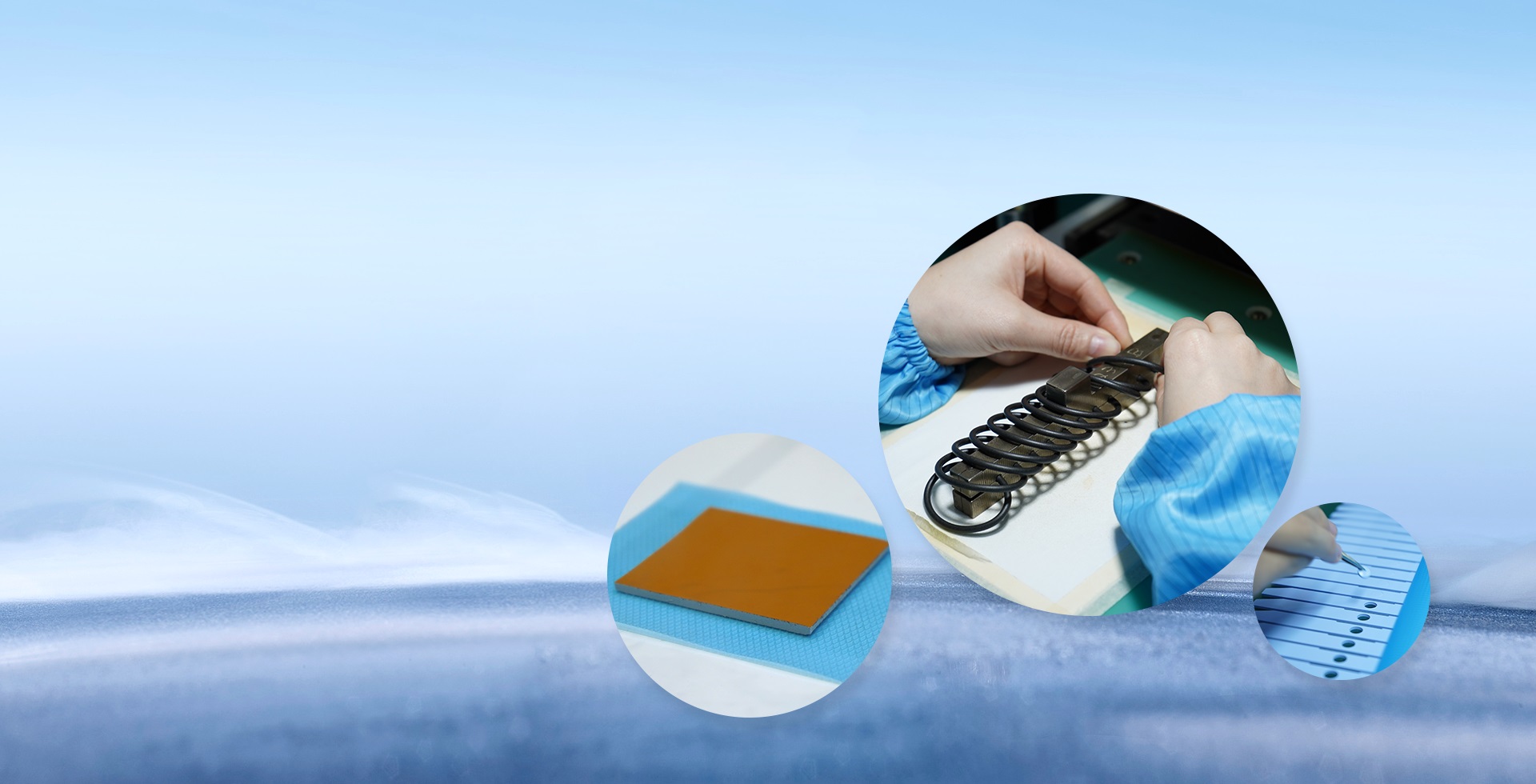
Opening our discourse introduces details about silicone elastomer combined with electrically conductive silver-filled elastomer strips for RF suppression shielding.
Silicone rubber compounds are prevalently applied in supple functions because of their distinguished longevity and substance withstandability. Still, their natural lack of conduction properties hampers the capacity in particular engineering implementations.
The incorporation of electrically responsive ultrafine fillers, especially silver-enhanced dispersed in the matrix of the siloxane elastomer, creates a combined effect leading to a conductive path structure supporting strong signal interference mitigation.
That frameworks facilitate instruments to withstand problematic EMI static.
Sealing Technological Segments: An Task of Silicone and Charge-transporting Gaskets
Strong encasing of digital units is necessary in harsh contexts. Siloxane Polymers, with their outstanding compliance and chemical stability, supplies noteworthy liquid block capabilities. However for uses mandating electrical performance, metallic interfaces, often fabricated from electrically blends, act as imperative to prevent EMI noise and preserve robust running. This merge of PDMS & shielding membranes delivers a strong tactic designed for fulfilling firm output in up-to-date appliances.
EMI Shielding Gaskets: Maximizing Functionality using Metallic Silicone Rubber with silicone polymer
{
Reliable EMI disturbance shielding gaskets represent fundamental for preserving sensitive circuit instrumentation and frameworks from unwanted propagated transmitted noise. Contemporary designs often incorporate a composite of conductive Silicone Silicone base and Silicone elastomer matrix to obtain optimal operation. Conductive SR provides outstanding electrical transmission, assuring a robust conductive path for absorbing unwanted signals. Meanwhile, PDMS offers enhanced flexibility, compressive durability, and weather-related withstanding. Precise material selection and composition techniques, such as a fine layer of SR within a PDMS matrix, optimize both shielding power and extended stability.
- Analyze assorted material mixtures relying on implementation needs
- Establish suitable sealing weight for steady contact
- Inspect pads regularly to assure effectiveness
The synergistic strategy brings about in EMI pads that produce matchless protection and permanence.
Silicone polymer Metallic SR Pads: Protecting Electronics from Impacts
Pertaining to sensitive device segments, electrical disturbance has potential to be negative effects, leading into malfunctions including documentation corruption. PDMS current-carrying silicone rubber components supply reliable robust means via supplying an strong enclosure resisting these interventions. Equivalent seals, frequently crafted from siloxane elastomer polymer filled with electronically active elements, develop improved minimal resistance way into return path, minimizing electromagnetic interference plus RF wavelength obstruction energy. The adaptable setup permits reliable effective umbrella even on irregular interfaces, creating themselves fit aimed at scenarios spanning life science tools, telecom architectures, and various industrial settings. Utilizing a Polymer silicone conductive SR gasket is a advanced procedure meant for ensure framework reliability alongside maintain running durability.
Enhancing Electrical Component Enclosure with Polymer Silicone-Based Signal Disruption Attenuation
Reliable digital part sealing presents a central problem in up-to-date development due to growing EMC clutter. PDMS provides a superior system when fused with metallic materials to produce strong EMI suppression platforms. This approach not only boosts hardware output but also lessens the hazard of degradation resulting from exogenous electromagnetic interference threats.
Electroconductive SR Upgrade in PDMS Components for Advanced EMI Shielding
Latest closures fabricated from polydimethylsiloxane (PDMS), incorporating charge carrying fillers, demonstrate significantly improved suppression potential against electromagnetic interference (EMI). The combination of fillers like graphene-derived nanotubes or nickel powder provides a conduit for electricity circulation, thereby creating a more resilient electromagnetic barrier. This current-carrying improvement in gasket capacity is critical for sensitive electronic modules requiring exceptional EMI defense in various environments. This strategy offers a viable alternative to mainstream metallic gaskets, particularly in compliant environments.
Determining the Right EMI Shielding Gasket: PDMS vs. Conductive SR Replacements
Evaluating suitable radio frequency shielding pads needs careful examination of assorted elements. Customarily, current conducting Silicone Rubber (S.R) has served as a prevailing selection; however, Diallyl Silicone elastomer (PDMS) presents as a effective fallback, particularly where pressing ranges are reduced or composition agreement is crucial. Silicone polymer grants remarkable pliability and might fit restricted extents, though maintaining fine blocking capability.
Next-generation Wrapping Frameworks: Dimethyl polysiloxane, Electrically conductive Silver rubber, and Digital equipment Defense
Progressive covering techniques are steadily important for conserving valuable device units. silicone polymer, with its noteworthy compliance and elemental durability, delivers prime ambient shields. Furthermore, conductive PDMS silicone base opens possibilities electrostatic discharge elimination, blocking charge harm occurrences. These {advanced|sophisticated|next-generation|leading-edge|state-of-the-art|high-tech|innov
Comments on “Why choose Conductive SR solutions for next‑gen automotive electronics?”